
Booking choice: The Reykjavik Food Walk, from $146 per person. Check dates Tour details
Most of what visitors call traditional Icelandic food is simple: lamb raised on open hillsides, fish from the cold North Atlantic, dairy like skyr, and dark rye bread. The harder-core dishes, like fermented shark, come from centuries when food had to last through winter without salt or fuel to spare.
Below are the dishes you will meet on Reykjavik's food tours and menus, which tours serve them, and an honest word on whale and puffin.
The quick answer
Try Icelandic lamb (in lamb soup or slow-cooked), plokkfiskur (mashed fish with potato), Arctic char, skyr, dark rye bread, and a hot dog from Baejarins Beztu Pylsur. Taste hakarl (fermented shark) once if you are curious. Whale meat is not everyday Icelandic food, and IceWhale and IFAW say tourists eat most of what is sold.
What is the national dish of Iceland?
There is no official national dish: lamb soup (kjotsupa) is the classic of home cooking, and hakarl is the dish most tied to old tradition.
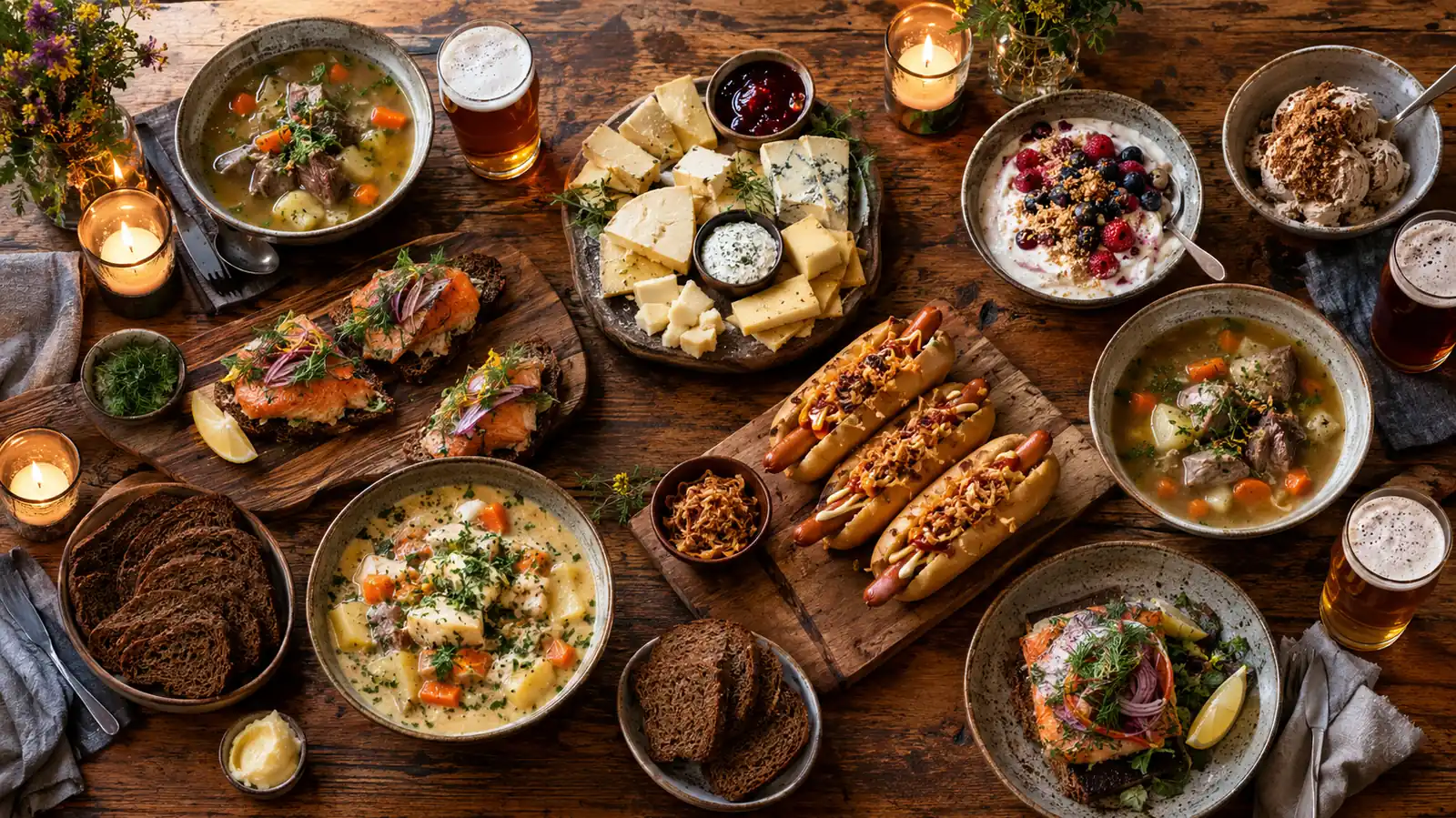
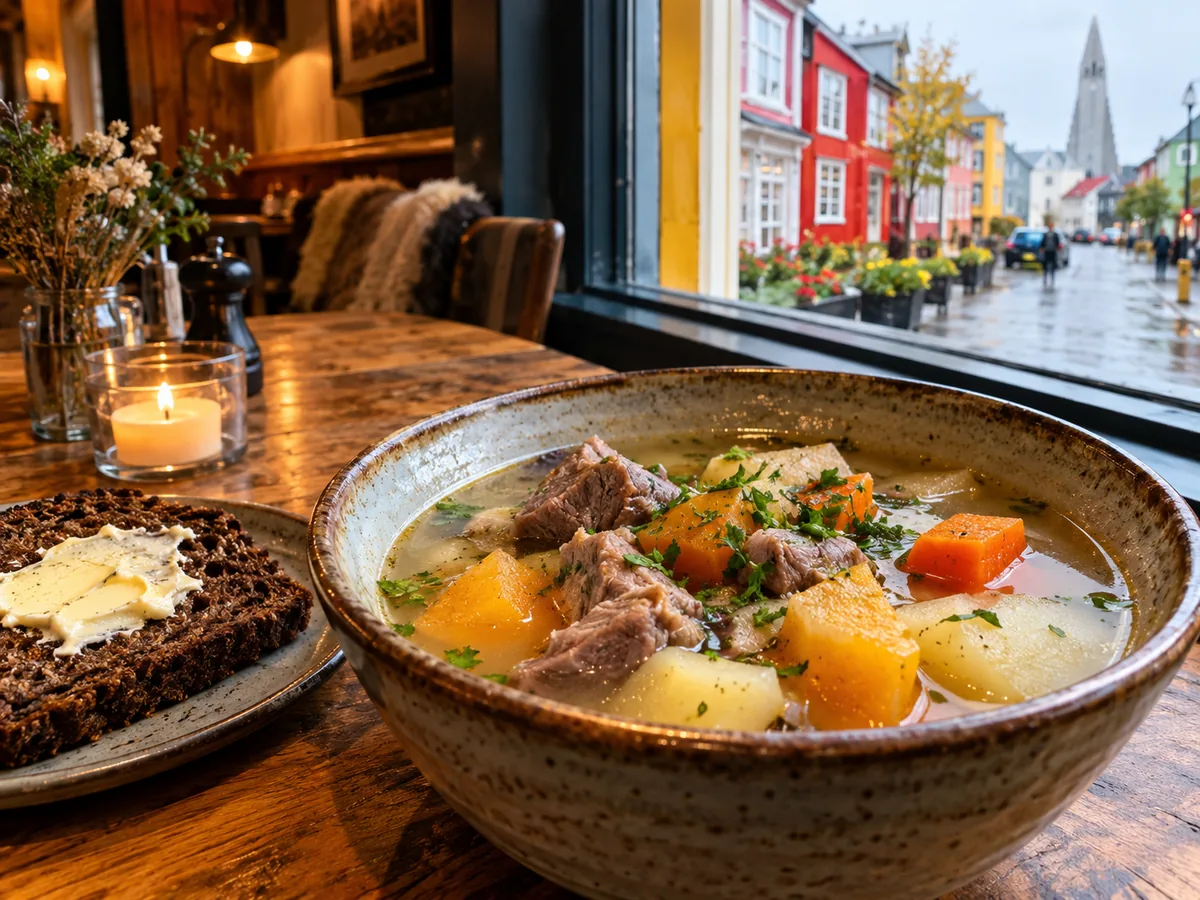
Kjotsupa is a clear broth of lamb, root vegetables and herbs, the kind of soup families make on a cold day. Several food tours serve it: the traditional tasting tour, the food and beer history walk and the hot chocolate walk all list lamb soup.
Why is Icelandic lamb special?
Icelandic ewes and lambs spend the summer on open mountain and highland pasture, and lamb has been the island's main meat for centuries.
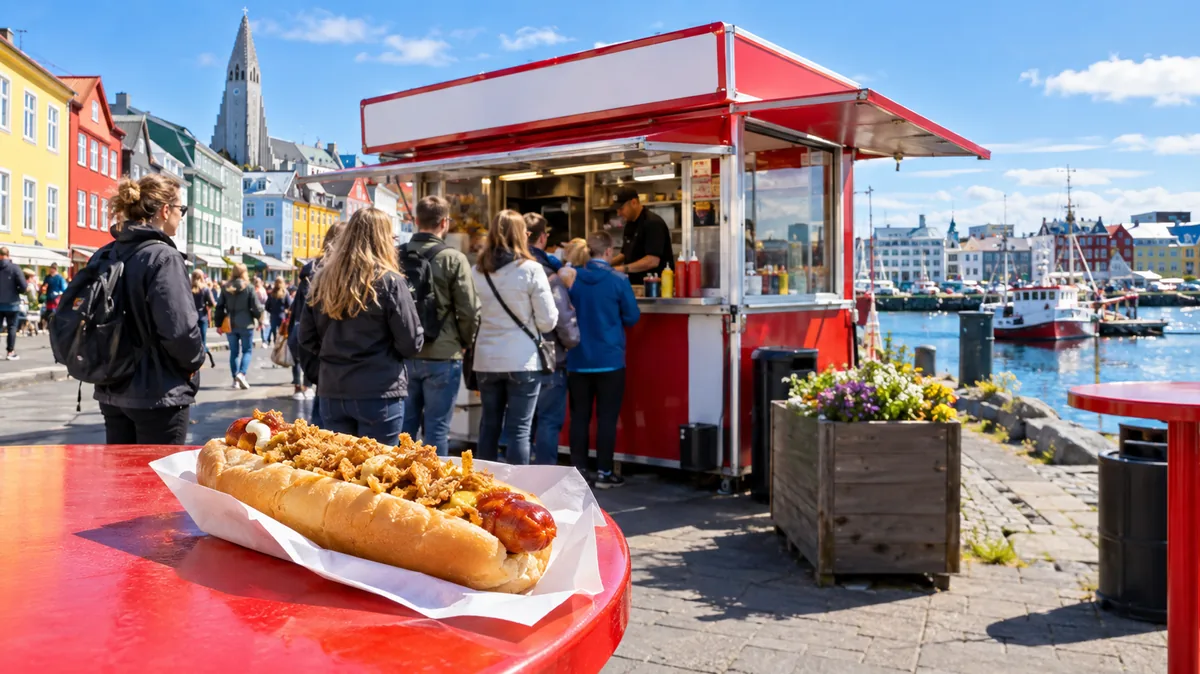
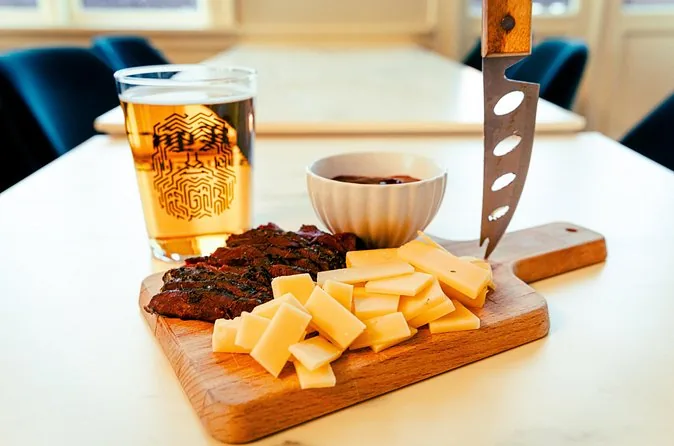
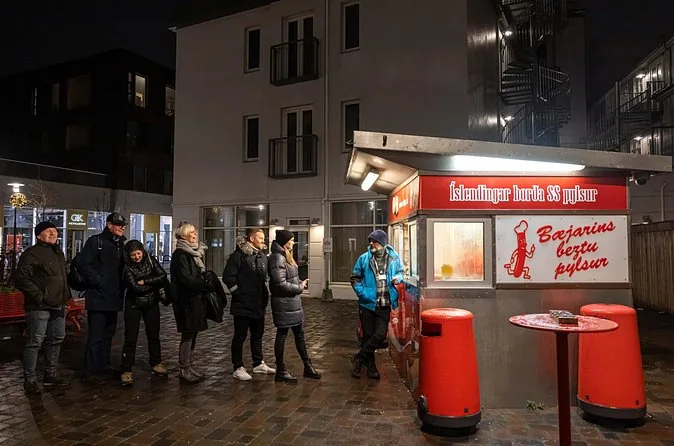
On the Reykjavik Food Walk guests mention lamb shoulder as a favourite; other tours serve smoked lamb (hangikjot) on a platter. Lamb also shows up in a place you might not expect: the hot dog, which blends lamb with pork and beef. See our guide to the Icelandic hot dog.
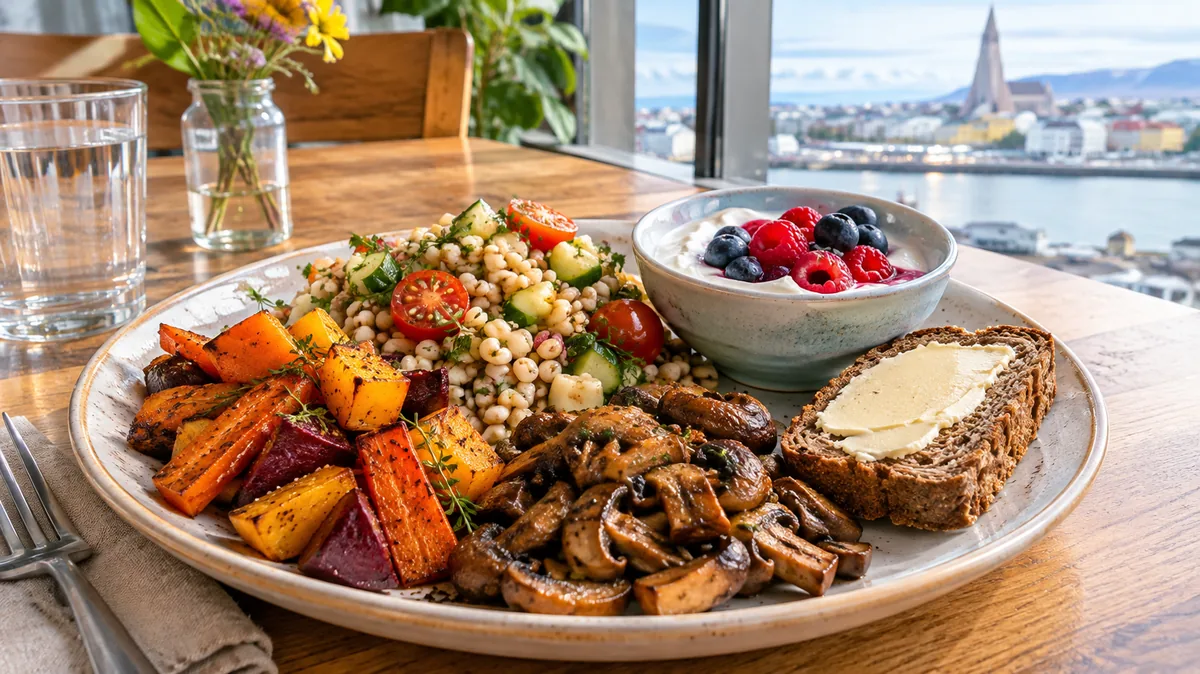
Lamb, Arctic char and rye bread ice cream on the most reviewed food walk in this guide.
Check dates for the Reykjavik Food WalkWhat fish should you try in Reykjavik?
Arctic char, plokkfiskur (flaked white fish and potato in a creamy white sauce) and dried fish (hardfiskur) are the three to look for.
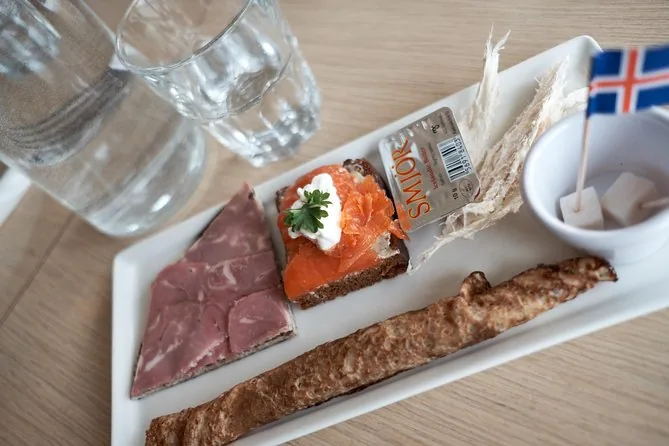
Arctic char is a cold-water cousin of salmon and trout, and guests on the Food Walk report tasting it two ways. Plokkfiskur is everyday home food, traditionally served with rye bread; one guest on the traditional tasting tour called the mashed fish their favourite. Dried fish with butter was once eaten with every meal; today it is a chewy snack, and it is on the hot chocolate walk's tasting list.
What is skyr?
Skyr is a thick cultured dairy food eaten with a spoon like yoghurt, though it is traditionally classed as a soft cheese.
Icelanders eat it at breakfast or as a dessert with berries. It also turns up in cakes and ice creams. Rye bread ice cream is another dessert that guests on the Food Walk mention again and again.

What is Icelandic rye bread?
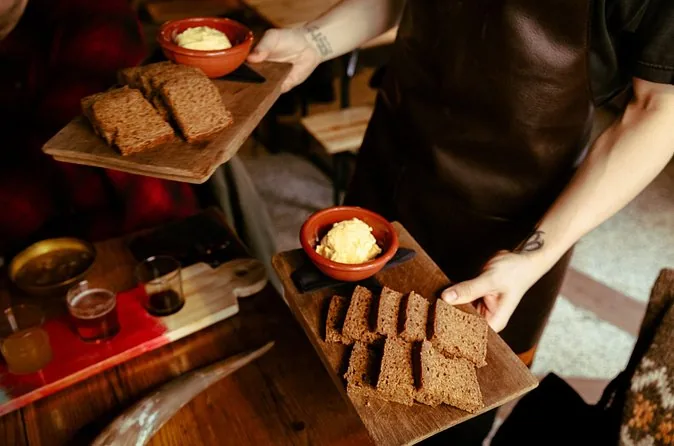
Rugbraud is a dark, dense, slightly sweet rye bread; it was traditionally baked slowly, sometimes by burying the dough in a cask in the warm ground near a hot spring.
It is served with butter, with fish or with smoked lamb, and it is crumbled into the rye bread ice cream that Food Walk guests often mention.

Arctic char, lamb, Icelandic cheese and rye bread ice cream across about five stops.
Explore the Reykjavik Food Walk Tour detailsShould you try fermented shark (hakarl)?
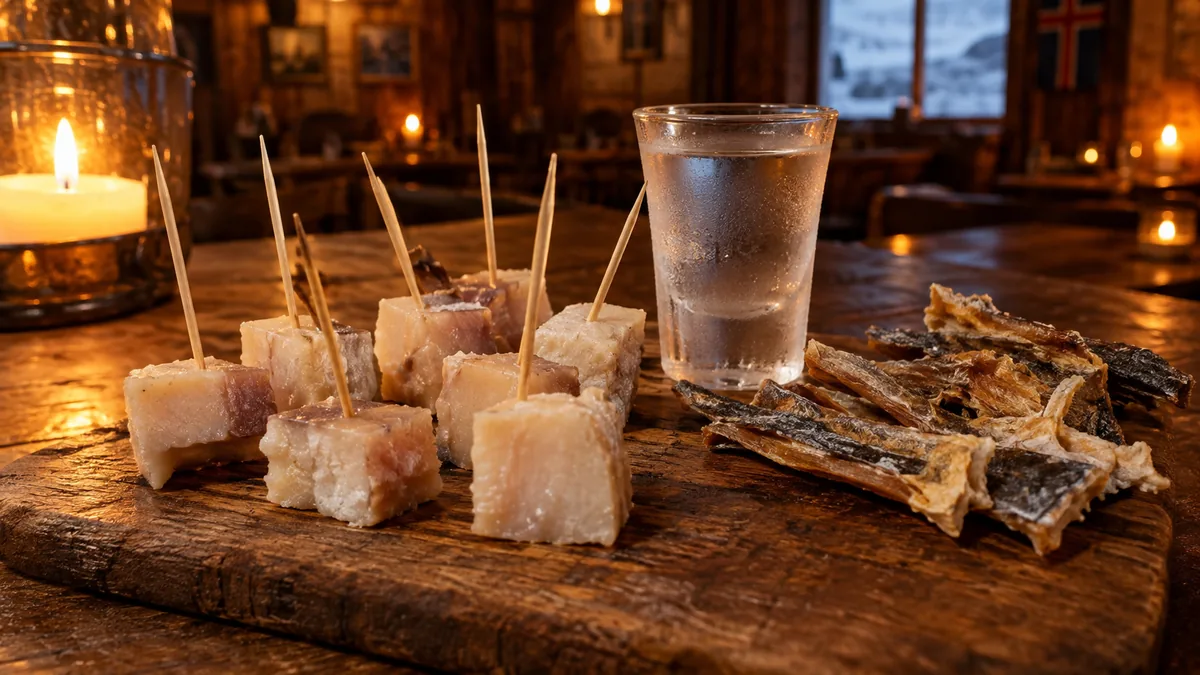
Try one cube if you are curious; it is part of the tradition, but few people go back for a second.
Hakarl is Greenland shark, fermented and then hung to dry for months. The smell is strong ammonia, and the taste is milder than the smell. It is often eaten with a shot of Brennivin, and most often served at the midwinter Thorrablot feast. Read fermented shark, explained.
Is whale or puffin traditional Icelandic food?
Whale is not an everyday Icelandic food, and most whale meat is sold to visitors; puffin is an old seabird-hunting dish, a niche food today. We suggest skipping both.
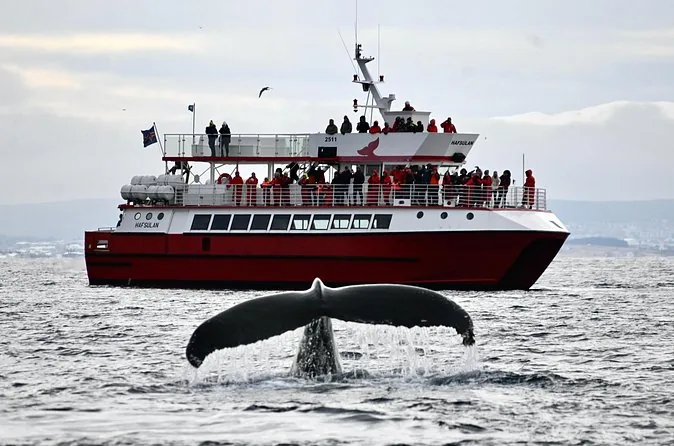
The Icelandic whale-watching association IceWhale and the animal welfare group IFAW run a campaign called "Meet Us, Don't Eat Us", and say tourists eat most of the whale meat sold in Iceland. Modern commercial whaling is not an everyday food tradition. Most food tours on this site do not list whale or puffin; the one exception we found is the private tour's listing, which mentions smoked puffin as an example, so check with the operator before booking if you would rather avoid it. The better way to meet a whale is from a boat.
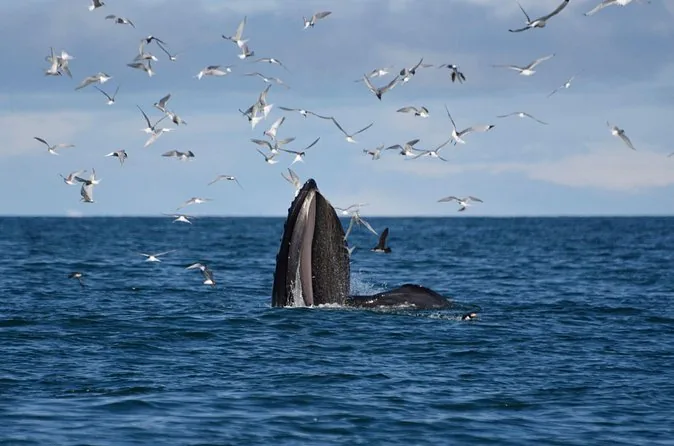
See them alive instead: whale watching leaves from the Old Harbour, a few minutes from Harpa, with warm overalls on board.
Explore whale watching from the Old Harbour Tour detailsWhat is the easiest way to try it all?
A food tour: in three hours you taste eight or more dishes with someone explaining what they are and where they came from.
The Reykjavik Food Walk covers lamb, fish, cheese, the hot dog and dessert; the traditional tasting tour leans harder into old-school dishes. See Reykjavik food tours compared to pick one.
Eight or more Icelandic dishes and a local guide: check dates for the Reykjavik Food Walk.
Check dates for the Reykjavik Food WalkFrequently asked questions
What is the most famous food in Iceland?
The hot dog from Baejarins Beztu Pylsur is one of the best-known single bites; lamb soup, skyr and fermented shark are the best-known traditional dishes.
What do Icelanders eat every day?
Fish, lamb, potatoes, skyr and rye bread are everyday staples; fermented shark is mainly a midwinter tradition.
Do Icelanders eat whale?
Rarely. IceWhale and IFAW say most whale meat sold in Iceland is eaten by tourists, which is why they ask visitors not to order it.
Where can I try traditional Icelandic food in Reykjavik?
A food tour is the easiest way: the Reykjavik Food Walk and the traditional tasting tour both cover lamb, fish and the hot dog in about three hours.
Ready to book
Choose your tour
Free cancellation up to 24 hours before on every option. Prices are from-prices in USD and move with the season.
The Reykjavik Food Walk: Lunch or Dinner
- 3-hour walking tour with a local foodie guide
- 4 to 6 local eateries, from food trucks to sit-down restaurants
- 8+ tastings, such as Arctic char, Icelandic lamb, cheeses and rye bread ice cream
Traditional Icelandic Food Tasting Tour
- Guided walk with about six food stops in the old town
- Tastings from lamb soup and fish to fermented shark
- Water and alcoholic drinks, as listed